
FENCING & GATES
Stock Fencing
Galvanised wire stock fencing provides a practical boundary for farms, smallholdings and livestock areas. Different grades and roll sizes allow the system to be selected around the animals, terrain and intended use.
Explore your options
- Stock fencing
- Associated field access
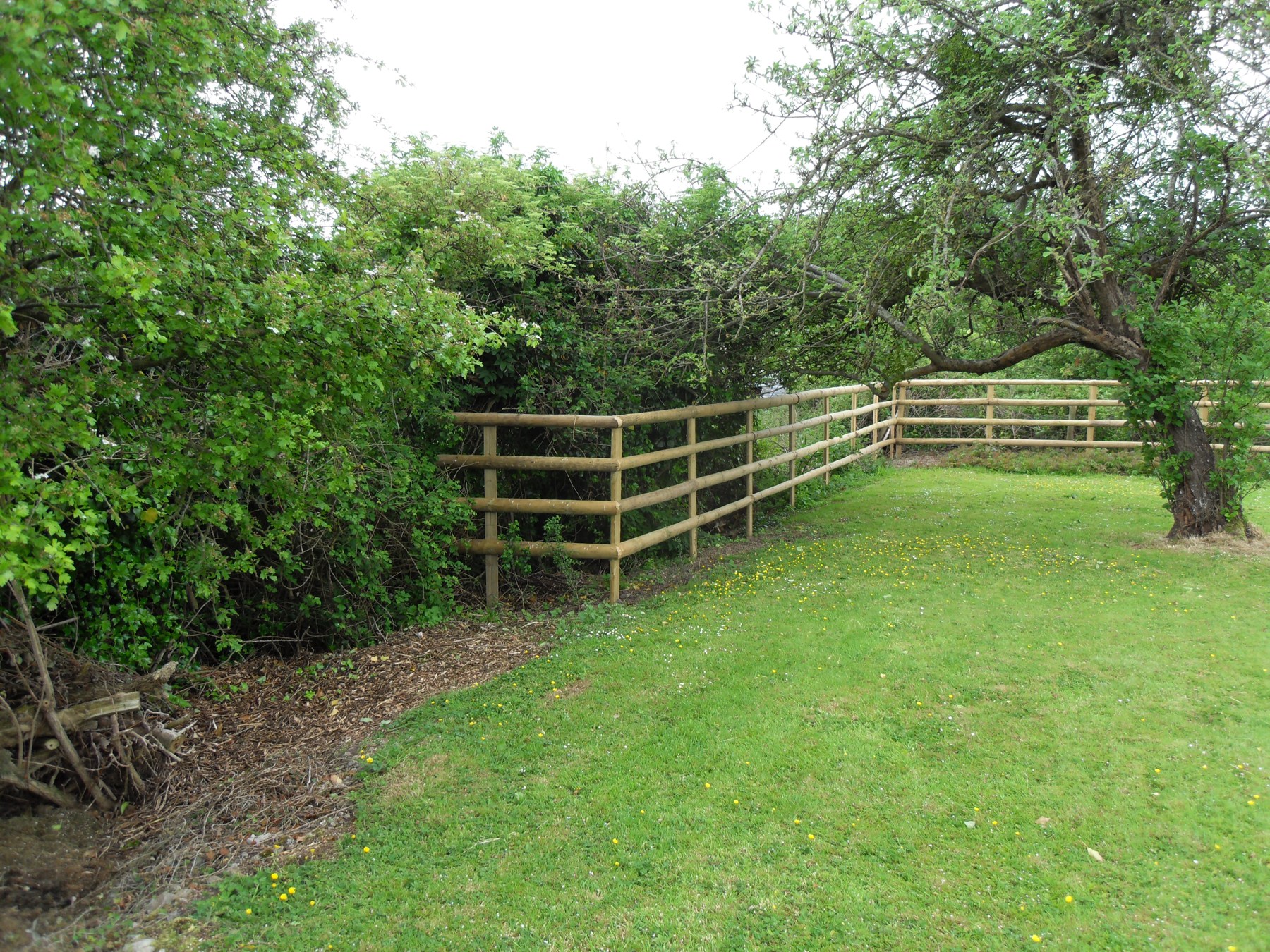
Choosing a stock fence
Stock fencing uses heavy-gauge galvanised wire formed into a mesh. Different products suit different livestock and applications, including sheep, cattle, pigs, goats and deer. The open construction retains views across the land while establishing a distinct boundary. The mesh specification and overall height should be considered alongside the purpose of the enclosure.
Posts, fixings & tension
The wire is installed between timber posts using suitable galvanised fixings, with tensioning to support the fence line. Corners, ends and access points need to be planned as part of the installation. Additional top wires may be appropriate for some livestock arrangements, depending on the specification. Discuss the animals being contained before deciding on the complete system.
Maintaining the boundary
Regular checks help identify loose wire, damaged posts or pressure from vegetation. Clear growth that could bend or pull on the mesh, and keep an eye on the condition of timber posts. Wire tension should also be reviewed. A well-installed and maintained stock fence provides a practical long-term boundary without relying on a solid wall or screen.
A useful starting point
Have these details ready when discussing your project.
Livestock and intended use
Boundary length and terrain
Gates and access